

You can dress any decade from an ordinary closet. Copy two or three of its signature elements (the silhouette, the color, a texture or one detail) instead of buying a costume.
A theme party invite tends to trigger the same small panic. Do I own anything from then? Probably not. Good news: you don’t have to. You need the parts people actually recognize, and a lot of them are already on your hangers.
The rule: signature, not costume
A costume tries to copy everything. A signature copies the two or three things people notice.
Nobody at a party checks your shoulder seams for authenticity. They read the outline and the colors from across the room, and their brain fills in the rest. That’s why the costume-shop version often looks worse than a good closet version. It’s too literal. Shiny polyester, a wig and a price you pay for exactly one night.
The closet version looks like you, with the decade turned up. And you can wear the pieces again next week, which a neon wig rarely manages.
How to find a decade’s signature in what you own
Work in this order. Each step narrows the pile, and you can stop as soon as the decade reads.
- Silhouette first. Every decade has a shape: where the volume sits, where the waist is, how long the jacket is, how wide the trousers are. Match the shape and you’re most of the way there. The right cut of jacket does more than any print.
- Then color. Look at the palette the decade is remembered for, not every color it had. One or two of those shades, in pieces you own, carry the reference.
- Then texture. Fabric is a quiet signal. Denim, knit, leather, satin, corduroy. Each one leans toward certain eras. Pick the one that fits.
- Then one accessory. A belt, sunglasses, a hair clip, a watch. One. This is the detail that makes people say “oh, nice” instead of “wait, what are you?”
The rule that ties it together: one or two strong signals beat ten weak ones. Aim for two or three clear signals in total, with the silhouette usually doing most of the work. A sharp shape in the right color reads from across the room. Ten half-references (a vaguely old shirt, a vaguely old shoe, a vaguely old necklace) just look like you got dressed in the dark.
My test: step back to the far side of the room and look in the mirror. If you can name the decade from there, you’re done. If you can’t, fix the silhouette before you add anything else.
Decade guides
The 70s. Flares, earth tones and texture you can almost feel through the screen. How to dress 70s with normal clothes covers the jeans, jackets and colors already in your closet that carry the look, and the point where fringe turns it into a costume.
The 80s. Big shoulders, strong color and a bit of attitude. How to dress 80s with normal clothes shows which pieces in an ordinary closet carry the look, and which details to leave at the costume shop.
The 90s. Grunge on one side, minimalism on the other. How to dress 90s with normal clothes shows how a flannel, a slip dress or plain straight jeans get you there without the costume-shop extras.
Y2K. Low rise, a little shine and very small sunglasses. How to dress Y2K with normal clothes picks out the baby tees, matching sets and flared jeans you probably already own.
Do it in Clottr
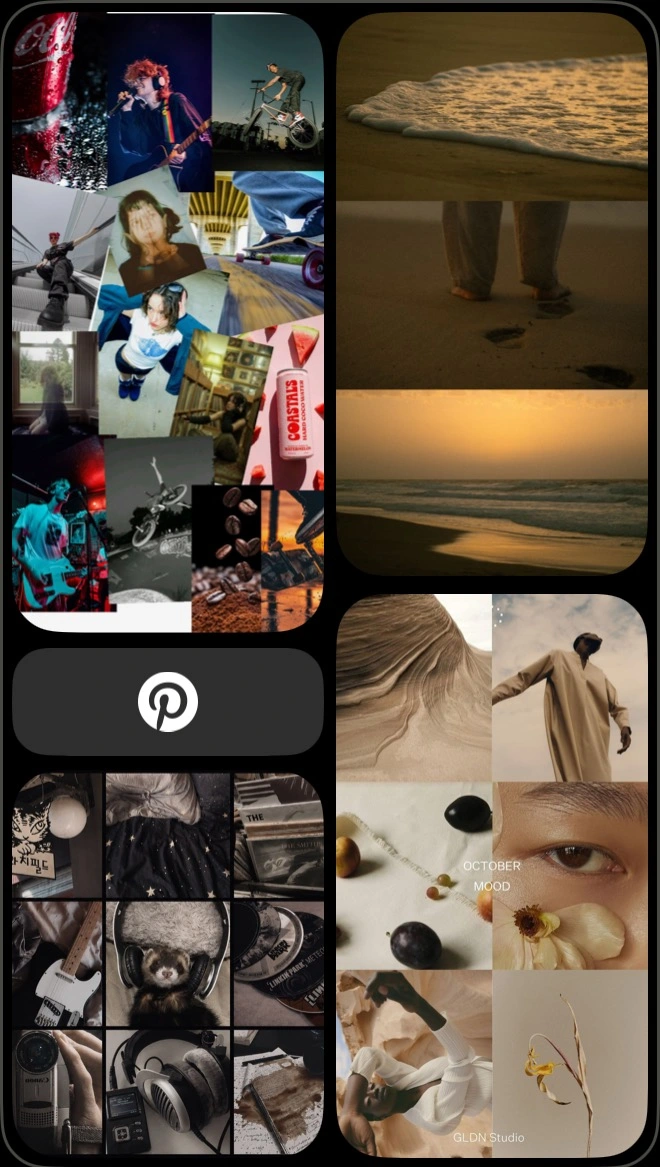
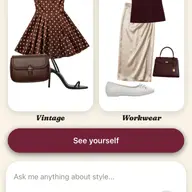
This is the part we built Muse for. You give it a Pinterest pin, a screenshot or any photo: a film still, an old family photo, a frame from a music video. Muse decodes the color, silhouette and formality. It ignores the people and brands in the picture and rebuilds the look from your own closet.
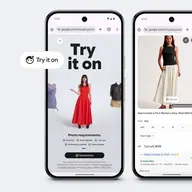
Then you see it on you. Virtual try-on renders the outfit on your own full-body photo, so you can judge the look before you commit. If your closet can’t get all the way there, Muse flags the missing piece. Buy it, thrift it or borrow it from a friend (very on theme).
What it can’t do: it won’t invent clothes you don’t own. Try-on shows the look, color and proportion on you, as an approximation. It won’t tell you what size to buy or exactly how a piece will fit. Clottr is coming soon for iOS and Android.
Frequently asked questions
How do I dress for a decade party without a costume?
Wear two or three of the decade’s signals, built from pieces you already own. Start with the silhouette, because that’s what people read first. Then add a color or two, and a fabric or one accessory if the look still needs it.
What if I don’t own anything from that decade?
You don’t need anything from that decade, only pieces that echo its shape and color. If one piece is truly missing, borrow or thrift it rather than buying a full costume.
Can men dress for a decade theme with normal clothes?
Yes. The same order applies: shape first, then color, then fabric, then one accessory. A jacket with the right cut, trousers at the right rise and one accessory do more than any novelty shirt.
Can an app recreate an outfit from a photo?
Yes. Shop-the-look apps find similar items to buy. Clottr’s Muse reads the color, silhouette and formality of a photo instead, rebuilds the look from clothes you already own and shows it on you with try-on. It flags anything your closet is missing.
How many decade details should I wear at once?
Two or three clear signals, with one doing most of the work. Past three, it starts to tip into costume.
Recreate any look from what you own: drop the photo into Muse and see it rebuilt from your closet.
Starting with the 80s? Read how to dress 80s with normal clothes. Want to see a look on you before you wear it? Here’s how virtual try-on works. And for everyday style, there’s the no-BS guide to dressing better.