My girlfriend and I used to be the kind of people who could spend an entire Saturday shopping at the mall and come home with four bags of clothes, only to wear maybe one of those items more than twice.
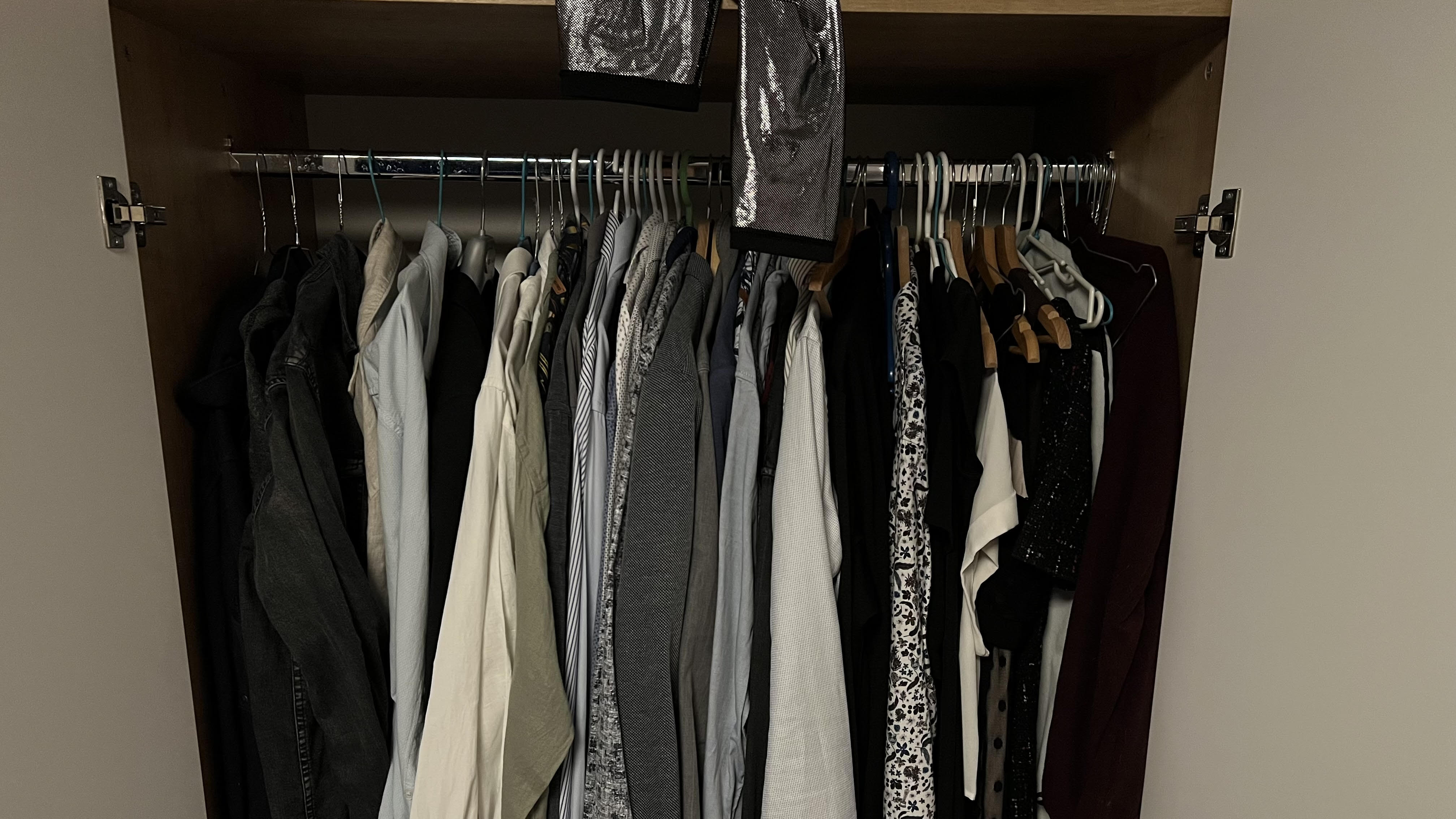
The rest? They’d hang in our closet with the tags still on, slowly migrating to the side where they’d collect dust until we’d eventually donate them to our relatives / friends / clothes drives. Then we’d go shopping again, because… why?
I’m not talking about some wild shopping addiction. I’m talking about normal shopping behavior that most people just accept. Go to the mall for an Iphone charger, on the way to the foodcourt pass 10-20 shops and enter half of them. You see something cute, it’s on sale, you buy it, and three weeks later you realize it doesn’t go with anything you own. We’ve all been there.
But I figured out how to stop. I think.
Why do we keep buying clothes I never wear?
Before fixing the problem, we have to understand it.
We are shopping based on how clothes look in isolation, not how they’d work in actual life.
That’s the core issue for most people. You see a jacket on a mannequin or a model and think “that looks amazing.” And it does. On them, in that lighting, with that outfit. But you’re not buying the outfit. You’re buying the jacket. And when you get home and try to pair it with your actual clothes, it doesn’t work.
There are a few specific traps I kept falling into:
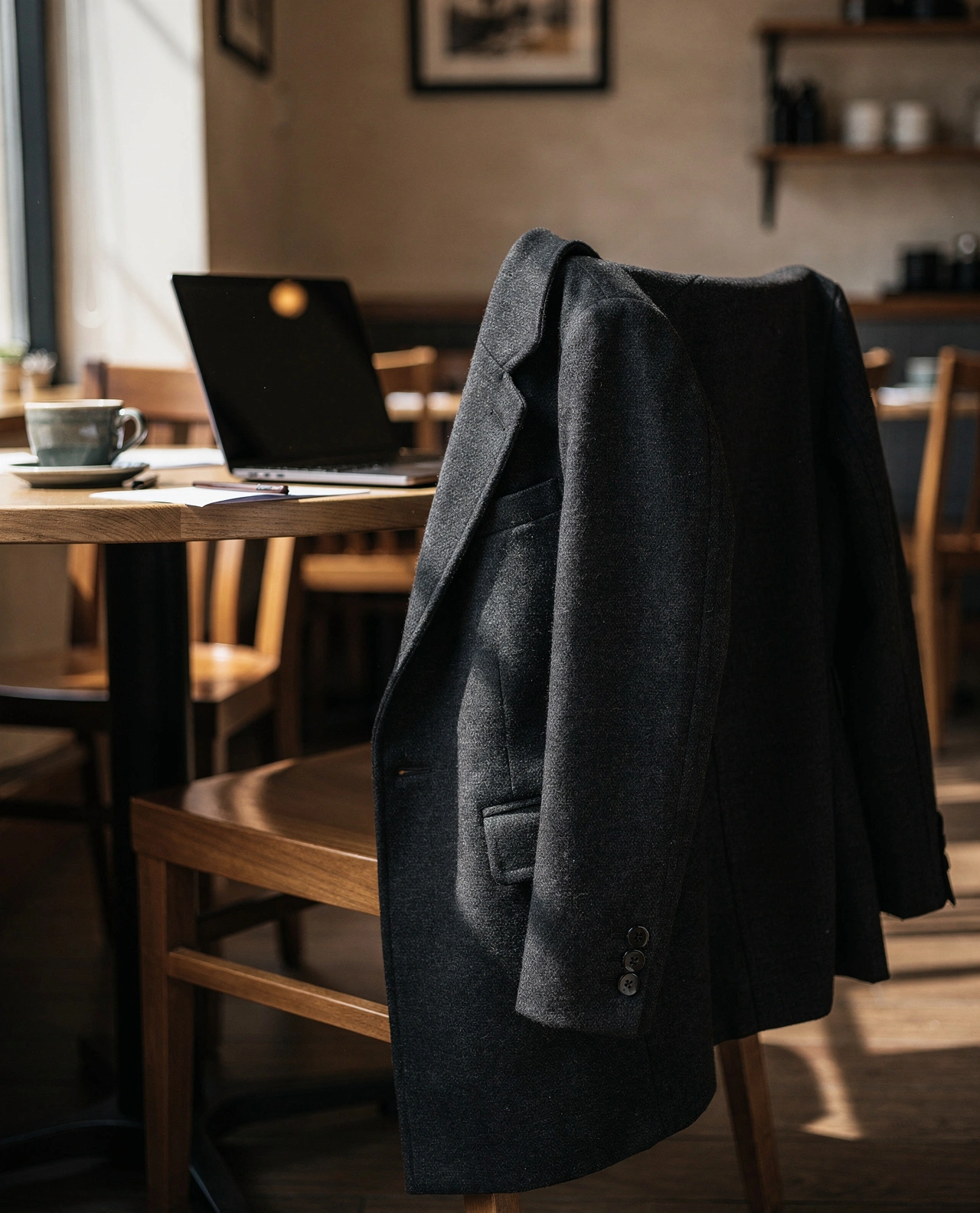
- The sale trap: Last November I bought a Hugo Boss wool overcoat for 95,00 EUR, marked down from 250,00 EUR. Felt like stealing. I’ve worn it twice, both times I felt overdressed for my actual life, which is mostly coffee shops and coworking spaces. That “bargain” cost me 47,50 EUR per wear and counting.
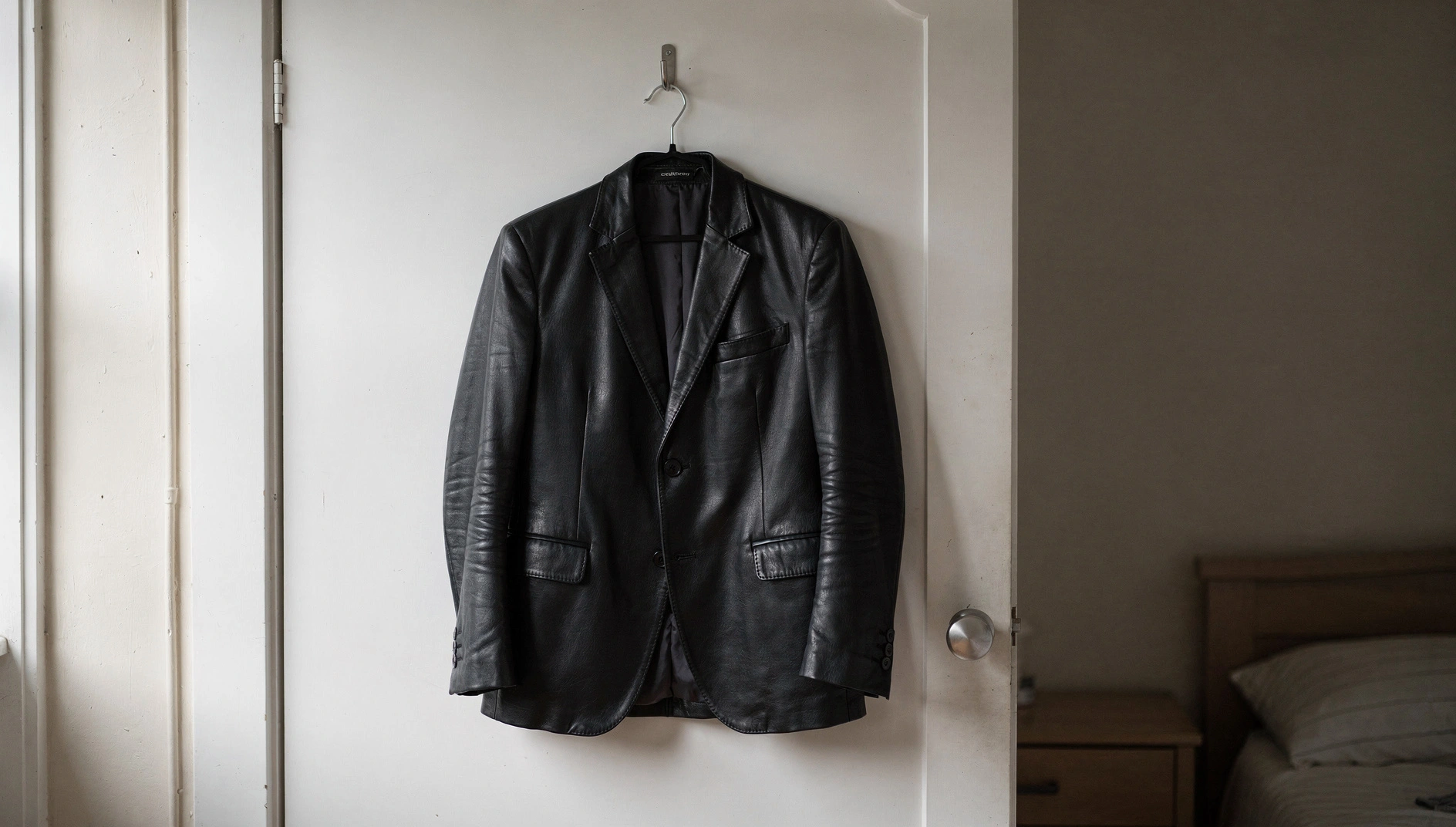
- The aspirational trap: Buying clothes for the life I wanted to live instead of the life I actually live. I own an AllSaints leather blazer I bought in 2024 for a “going out” version of myself that apparently doesn’t exist. It’s been in the same spot on the rack for 18 months.
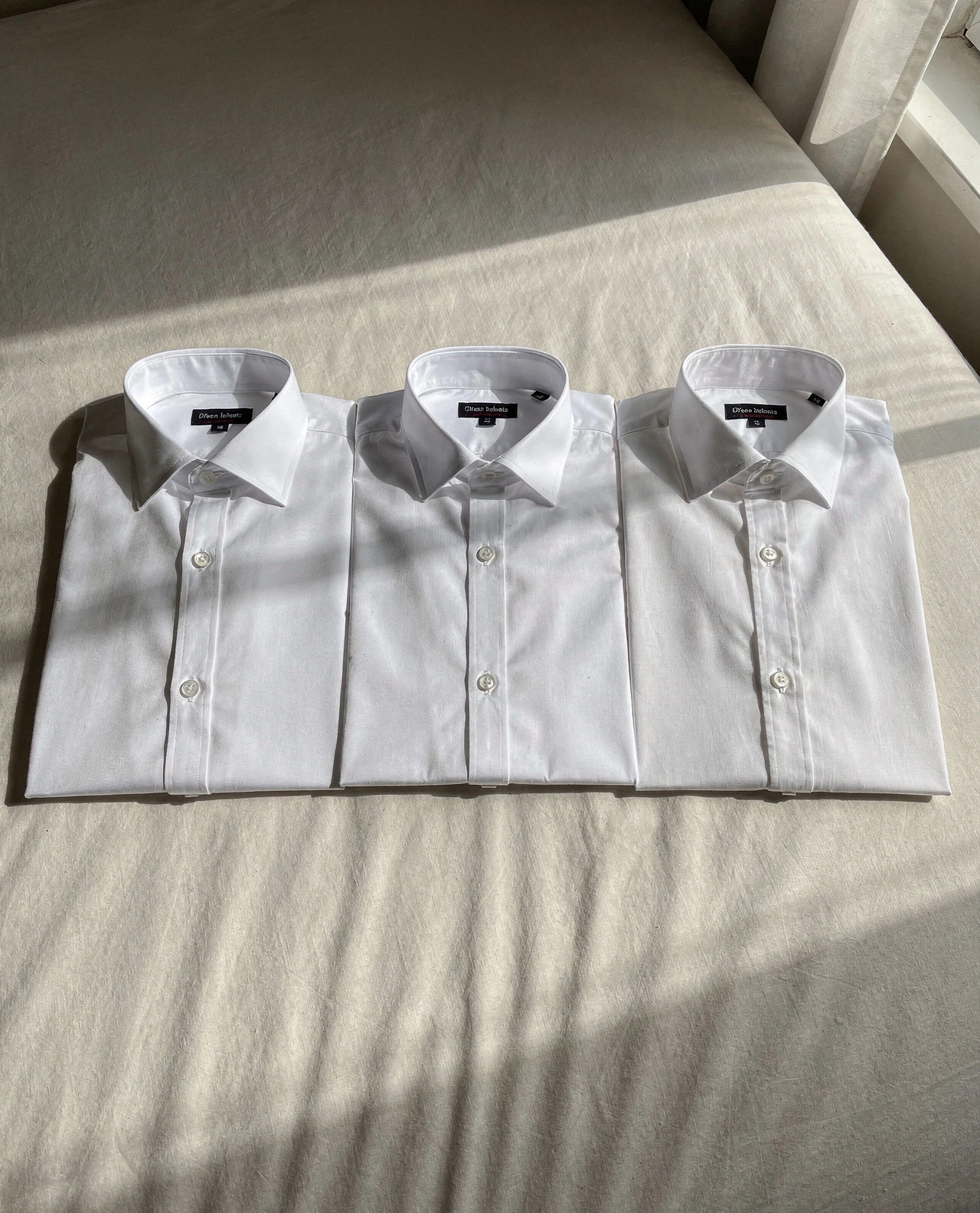
- The duplicate trap: Coming home with another navy crew-neck because I forgot I already owned three. I once counted and found I had five near-identical white shirts. Five.
Recognizing these patterns was step one. But knowing why you make bad purchases doesn’t automatically make you stop. We need a system.
The checklist that stopped impulse buying
I developed a five-question test that I run before every purchase. It sounds rigid, and honestly it felt ridiculous the first few times I stood in a Boss fitting room silently going through it. But it cut my regretful purchases by probably 80%.
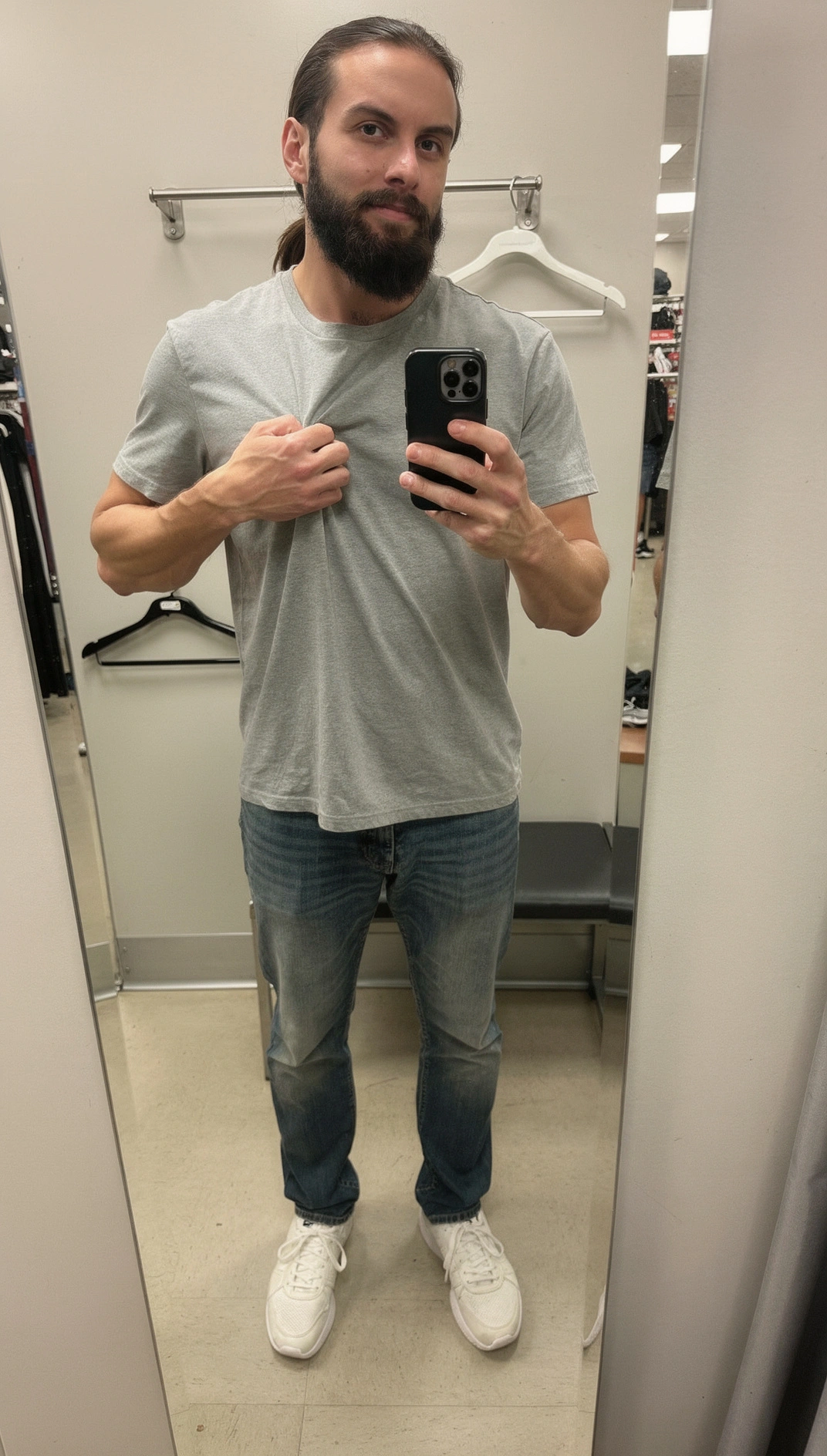
1. Can I make at least three outfits with this using what I already own?
This is the single most important question. If a piece doesn’t combine with your existing wardrobe, it’s an orphan waiting to happen.
2. Do I already own something very similar?
Be honest. “But this one has a slightly different neckline” is not a real difference. If you’d describe both items the same way to a friend (“it’s a blue button-down”), you already own it.
3. Does it fit my actual lifestyle right now?
Not the lifestyle you’re planning to have. Not the one you had five years ago. Right now. Will I wear it tomorrow? Simplest test.
4. Am I buying this because I want it, or because it’s on sale?
Would you pay full price for it? If the answer is no, the sale isn’t saving you money, it’s costing you money on something you don’t actually want.
5. Can I picture myself wearing this next week?
Not “someday” or “for the right occasion.” Next week. Specifically. Tuesday. What are you wearing it with?
How do I know if something actually looks good on me before buying?
This was the hardest part of my girlfiends habbit to fix (note I never shopped online, so was never really a problem for me).
In a store, you have mirrors and fitting rooms. But more and more shopping happens online, and that’s where the real damage happens (my girlfriend loves ordering Zara!). You can’t try things on, so you buy optimistically and return (or don’t return) pessimistically.
I gave her a simple version of the virtual try-on technology and it immediately changed how she shops. Instead of guessing whether something would look right, she could actually see it on her body before clicking “buy.” Removing that uncertainty eliminated about half of the bad purchases overnight. The key insight is simple: if you can see how something looks on you AND see how it fits with your existing clothes, you’ve eliminated the two biggest causes of shopping regret.
Letting go of the closet guilt
This one took me a while to face. That jacket you bought six months ago and never wore? The money is already spent. Keeping it in your closet doesn’t get the money back, it just makes you feel bad every time you see it, and it clutters your space so you can’t see what you actually have.
Here’s my approach:
The one-year rule: If you haven’t worn something in the last year (and it’s not seasonal like a winter coat), it goes. No exceptions. No “but what if.” Donate, sell, give to a friend, doesn’t matter.
The instant test: Put it on right now. Do you feel great? Not “it’s fine”, actually great? If not, it goes.
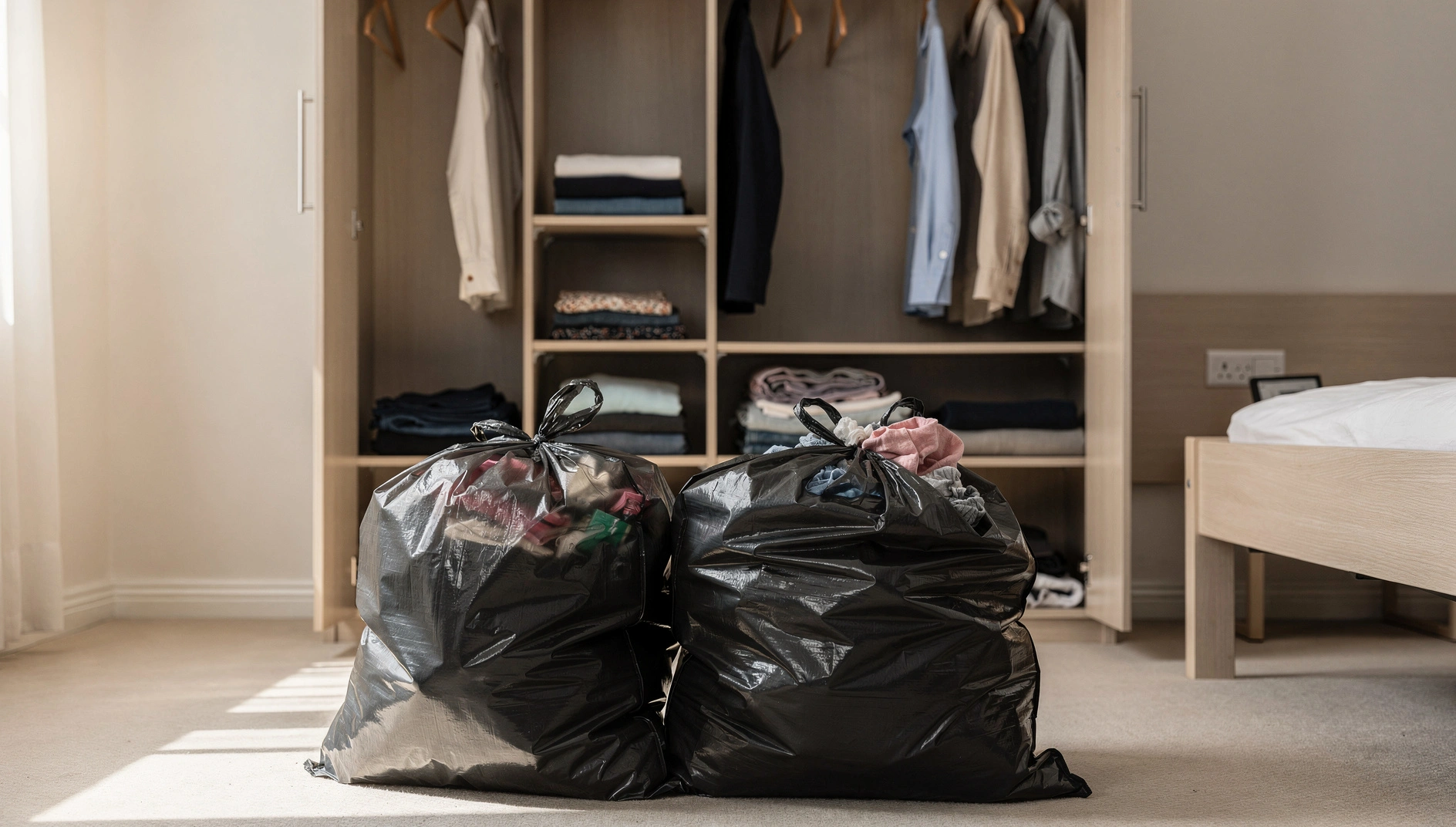
My girlfriend and I did a full closet purge last September (we share the closet space). Pulled everything out, tried it all on over a weekend. Ended up donating two bin bags. At first it felt brutal. We kept picking things up and putting them back. But after? We could actually see what we owned. We could get dressed in the morning without that low-grade anxiety of staring at a packed rail and feeling like we had nothing to wear.
That’s when using an outfit planner clicked for me. Once the clutter was gone, we digitized what was left, and the AI showed us combinations we’d never thought to try. Turns out the wardrobe had more range than we realized, we just couldn’t see it under all the dead weight.
How do I stop impulse buying when everything is “limited edition” or “almost sold out”?
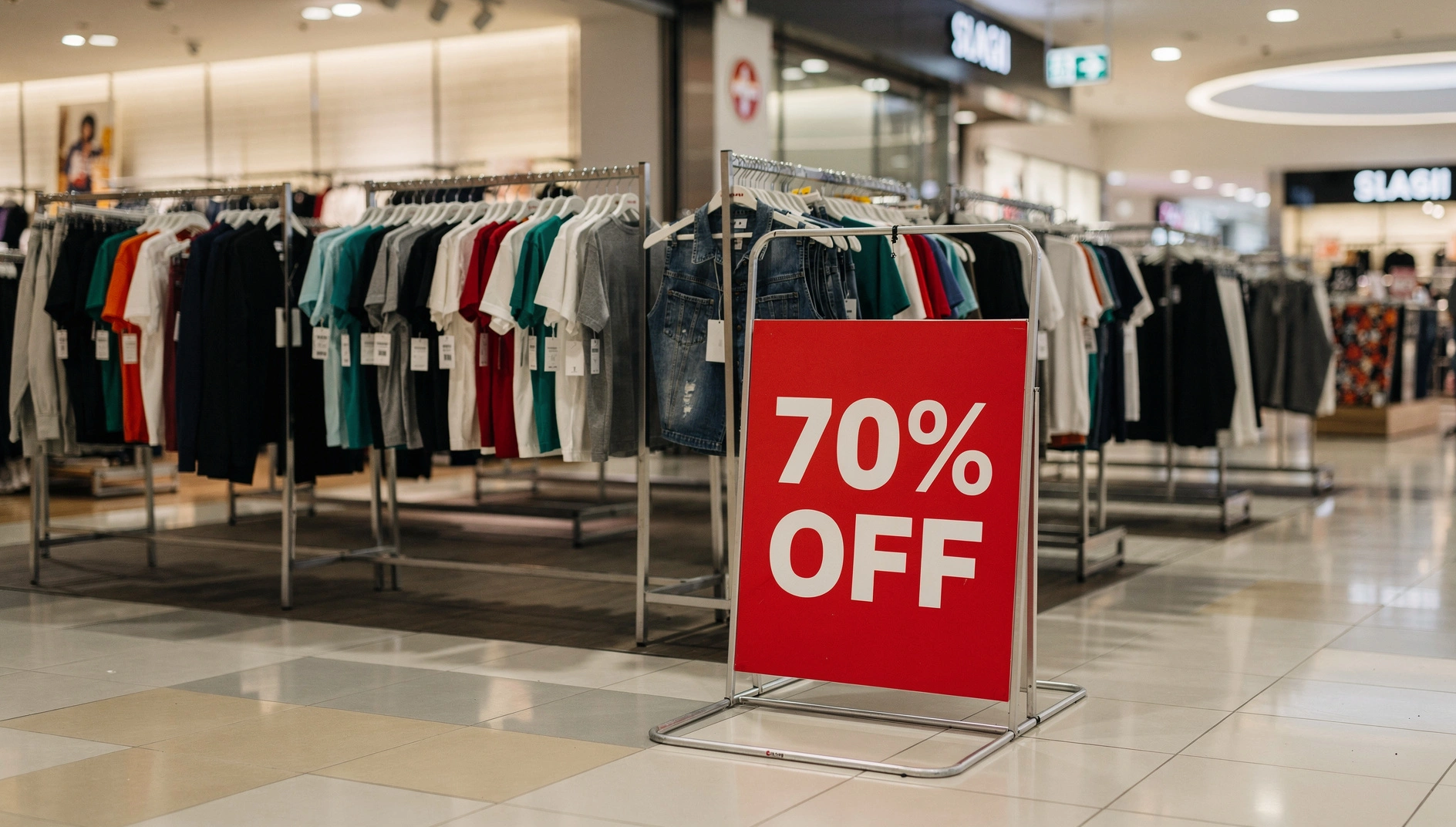
Retailers have spent billions of dollars engineering urgency (and comming up with clever psychological tricks, well two can play at that game). “Only 3 left!” “Sale ends tonight!” “Limited drop!” They’re all designed to make us skip the checklist above and buy on emotion.
Here’s what to do: Wait for 24 hours. If I see something I want, I screenshot it or save it, then wait a day. If I still want it after 24 hours AND it passes the five questions, I buy it.
But what if you forget? That tells you everything you need to know.
I started doing this in mid-2025 and I’ve tracked it loosely in my notes app. Out of roughly 30 items I’ve taken a photo of in the store, I ended up buying five. Of those five, I still wear four regularly. Before the rule, my hit rate was maybe 40%. Now it’s closer to 90%.
Being stylish on a budget is easier than you think
Having less money to spend can make you more stylish, not less. Constraints force better decisions. When you can only afford to buy a few things, you’re naturally more selective. You can’t fall into the duplicate trap or the orphan trap as easily because every purchase matters.
My budget framework:
- Cost-per-wear thinking: I bought a pair of Camel shoes in October 2024 for 130,00 EUR. I’ve worn them probably 150 times. That’s about 87c per wear. Meanwhile, those 95,00 EUR overcoat wears are still sitting at 47,00 EUR each. Quite an expensive overcoat, right?
- Buy fewer, buy better: Three great pieces beat ten mediocre ones. Not much more to say here.
- The versatility premium: Pay more for pieces that work in multiple contexts. A good pair of dark jeans works for casual, smart casual, and even some semi-formal situations. A graphic tee works in one context.
Building a wardrobe that works together
This was the final piece of the puzzle for me. Once I stopped buying randomly and started thinking about my wardrobe as a system, everything clicked (I am an engineer after all, building systems is how it usually clicks).
Think of your wardrobe as a network, not a collection. A great wardrobe isn’t one where every individual piece is amazing, it’s one where the pieces work together to create lots of outfits.
Start with neutrals that go with everything. Black, white, navy, gray, olive. These are your foundation. They don’t have to be boring, a well-fitted navy blazer or a great pair of olive chinos can absolutely be a statement.
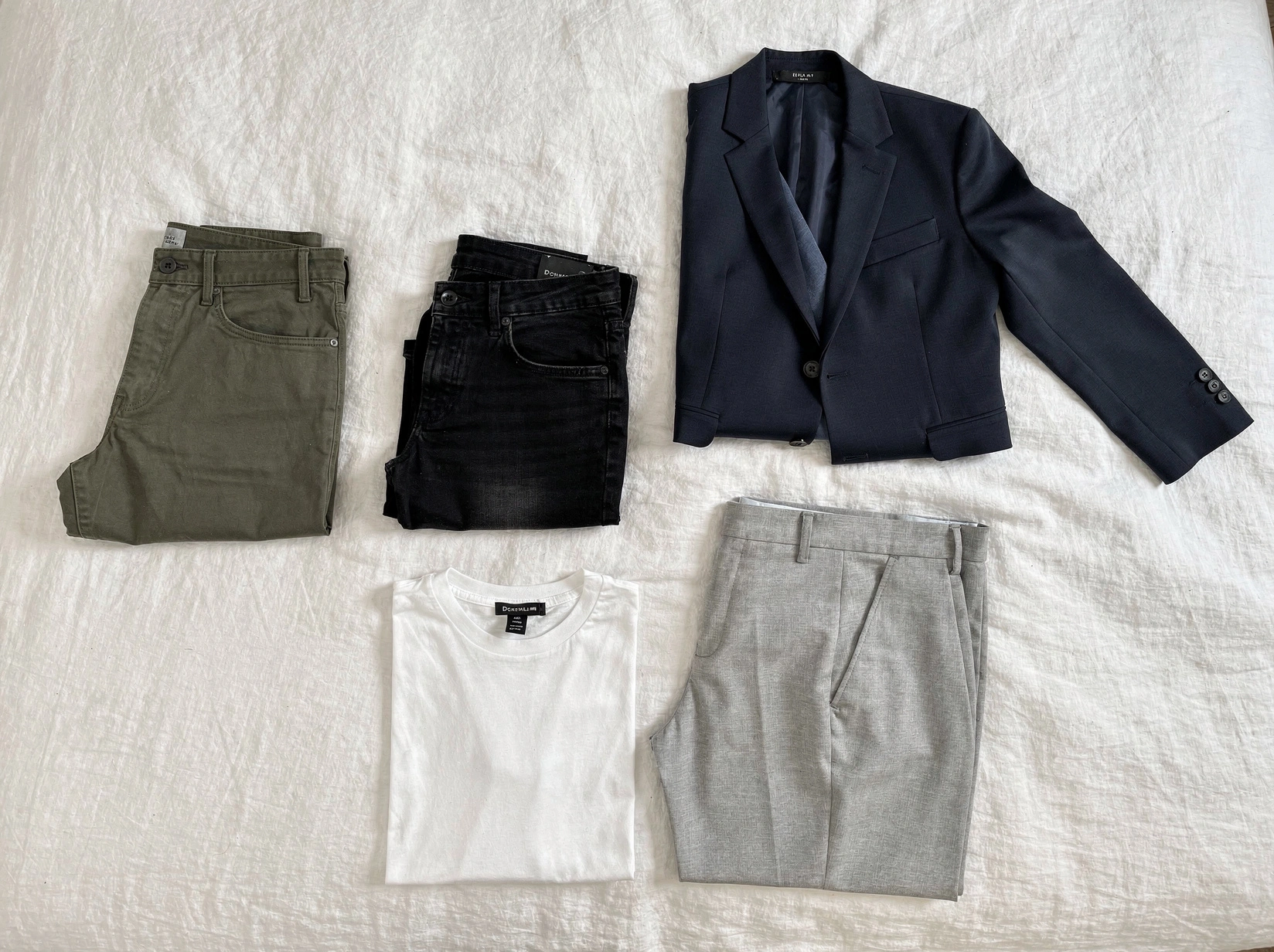
Then add color and pattern strategically. Make sure each colored piece works with at least three of your neutral pieces. I bought a burnt orange knit polo last spring specifically because I tested it against my navy chinos, black jeans, AND grey trousers before buying. Three outfits minimum, remember?
And plan outfits, not pieces. Before buying something, mentally (or literally) plan the outfits you’d make with it. This is why we built Clottr’s outfit planner, it takes your wardrobe and shows you which combinations work by analyzing color, proportion, and style. No more guessing whether that new jacket works with your existing pants.
Does virtual try-on actually help, or is it just a gimmick?
I was skeptical too. The first time I heard about virtual try-on apps, I assumed it was one of those janky AR filters that sort of superimpose a shirt onto your photo and looks terrible.
And this was the case for every tool on the market. So I decided to make my own. Nowadays the AI understands fabric drape, body shape, and how clothes fit on different proportions. It’s not perfect, nothing replaces physically wearing something, but it gets you about 80% of the way there. And that 80% is enough to avoid the “this looked nothing like I expected” returns. Combine that with the fact that our try ons happen in a couple of seconds (looking at you Zara, making me wait for good 2 minutes to see a single try on), you can try 20 outfits before the end of your coffee break. Yes, it may be less precise or the AI can even make a mistake, but remember, a good outfit will instantly speak to you, even if the image is slightly lower quality.
Here’s what we use it for:
- Online shopping decisions: See how something actually looks on us before buying, not on a 6’2” model with a 30-inch waist
- Outfit planning: Try different combinations without physically changing clothes ten times
- Settling debates: When I’m torn between two items, seeing both on my photo makes the decision obvious
The moment I knew this was working
If I had to pick one thing that made the biggest difference, it’s this: I stopped shopping without context.
No more “let me just see what’s new.” No more browsing for the sake of it. Every shopping trip starts with a specific gap in mind: “I need a lightweight jacket for April” or “I need shoes that work with both jeans and chinos.”
When you shop with a specific need, you naturally evaluate every item against it. You’re not seduced by random sale items. You find the thing, or you go home empty-handed, which is also fine.
The result? We buy about 60% fewer clothes than we used to. But we wear almost everything we buy. My cost-per-wear has plummeted, the closet is organized, and we haven’t had that sinking “why did I buy this” feeling in over a year.
Last Tuesday morning I got dressed for a meeting in maybe 90 seconds. Navy chinos, the Uniqlo merino, my Camel Actives. Grabbed my jacket, walked out the door. No standing in front of the closet. No pulling things off hangers and putting them back. No outfit anxiety. Just clothes I chose on purpose, that all work together, that I reach for because I genuinely like wearing them. That’s what it feels like on the other side of this.
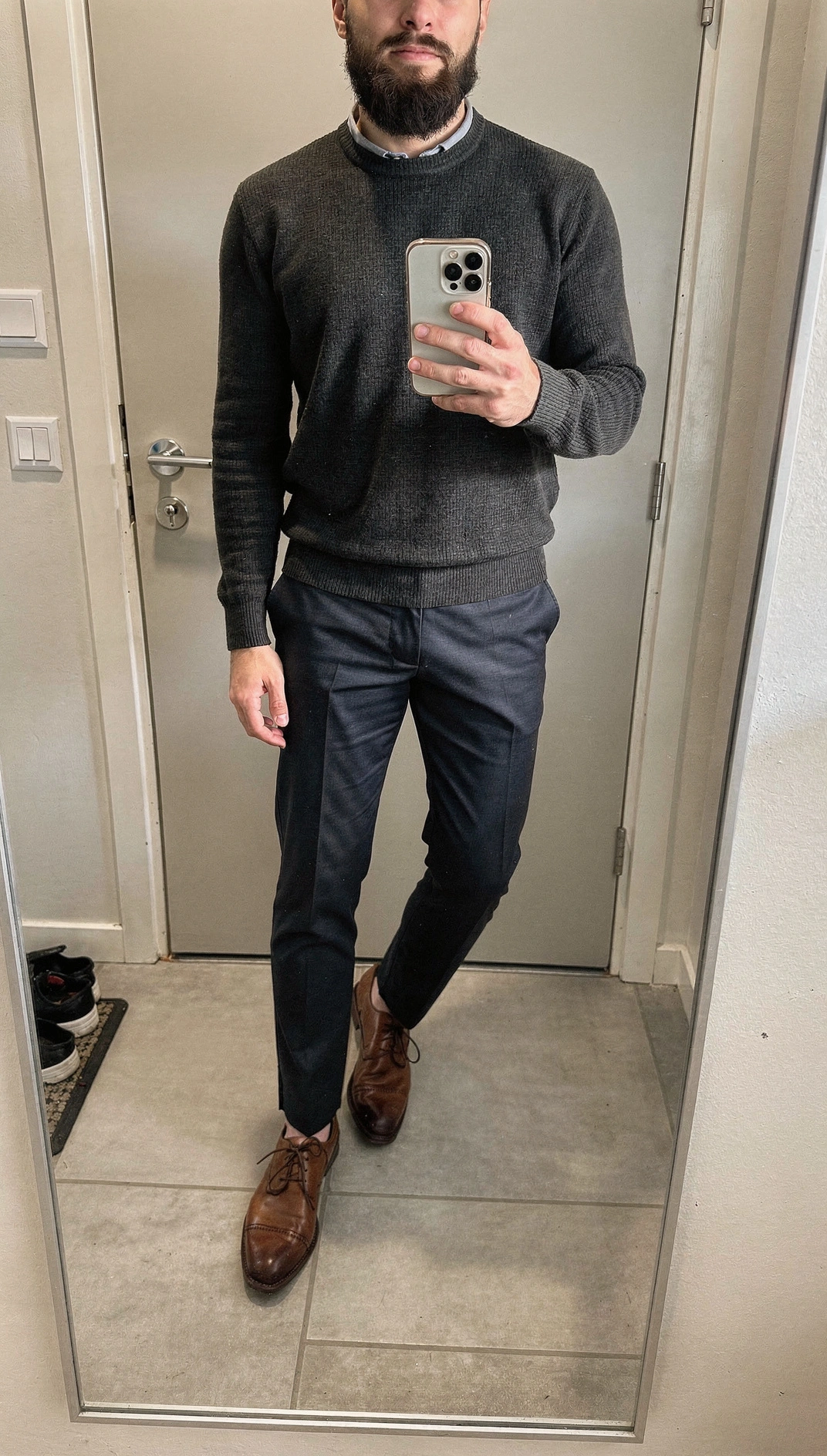
If shopping regret is something you deal with, Clottr’s virtual try-on lets you see any item on your photo before you buy and the outfit planner shows you every combination your wardrobe can make. They’re the two tools that changed how I shop.