You’re standing in front of your closet. Again. Nothing looks right. You’re already running late. You grab the same jeans-and-tee combo you wore two days ago and walk out feeling… fine. Not great. Just fine.
Sound familiar? According to a 2023 OnePoll survey commissioned by Trunk Club, the average person spends roughly 15-20 minutes a day deciding what to wear. That’s over 100 hours a year staring at clothes you already own. The problem isn’t your wardrobe. It’s that you don’t have a system.
I used to be this person. Last week I timed myself, grabbed a navy coat as my anchor piece, built around it, and was out the door in 38 seconds. The system below is what got me there.
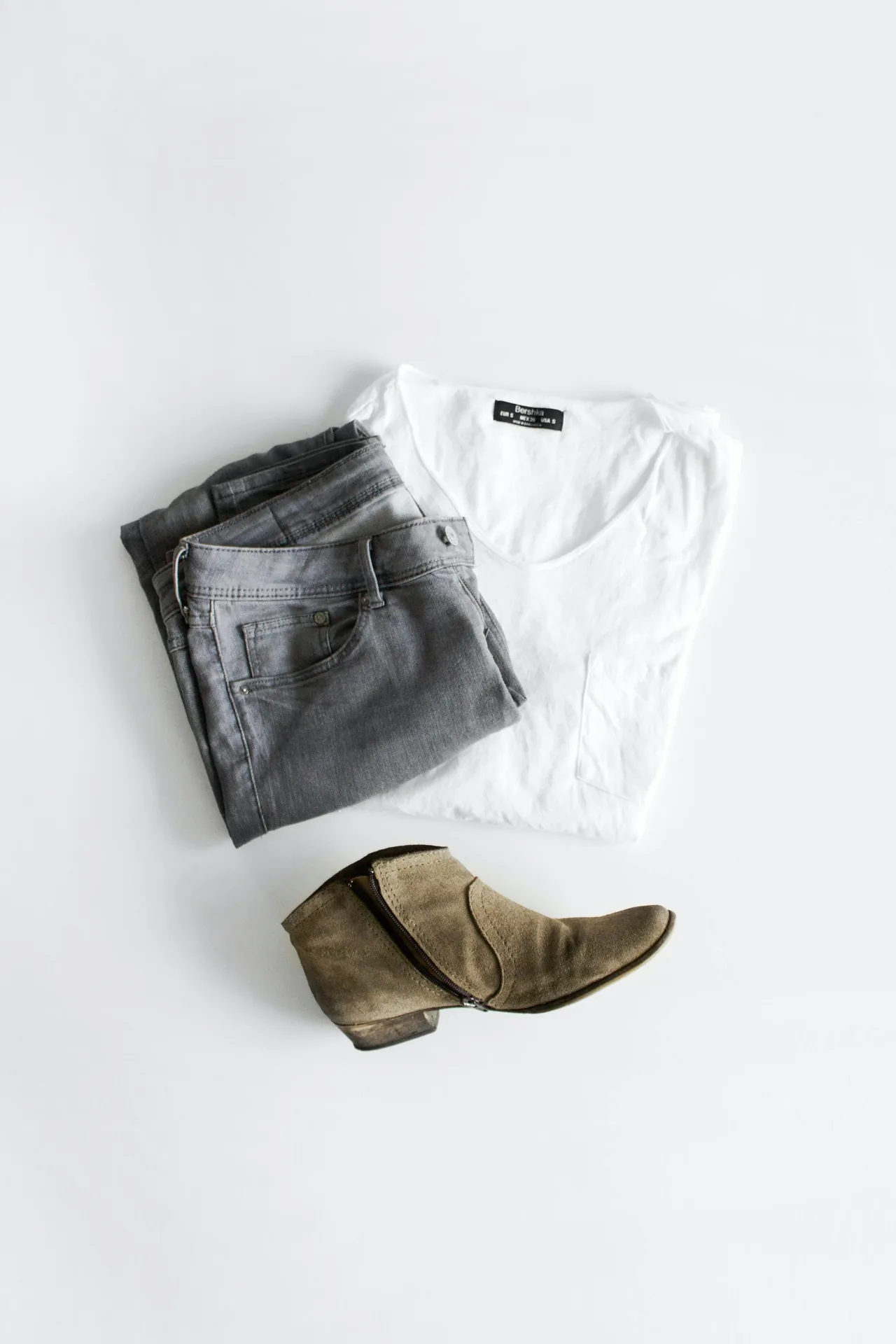
Step 1: Check three things before you even open the closet
Before you touch a hanger, ask yourself three questions:
-
What’s the weather? Check the forecast. Temperature, rain, wind, they eliminate half your closet immediately. A 10°C rainy morning means no linen, no white sneakers, no light layers. You’ve already narrowed it down.
-
What are you doing today? Office day? Coffee with a friend? Gym then errands? Your activities set the dress code. You don’t need to overthink it, just match the formality level. Meetings = structured. Weekend = relaxed. Date night = one notch above what you’d normally wear.
-
What’s your energy? This one sounds soft, but it matters. Some days you want to disappear into neutrals. Other days you want to wear something that makes you feel like a main character. Do that. Wearing something that doesn’t match your mood is why you feel “off” all day.
These three checks take 10 seconds and eliminate 70% of bad outfit decisions.
Step 2: Start with one anchor piece
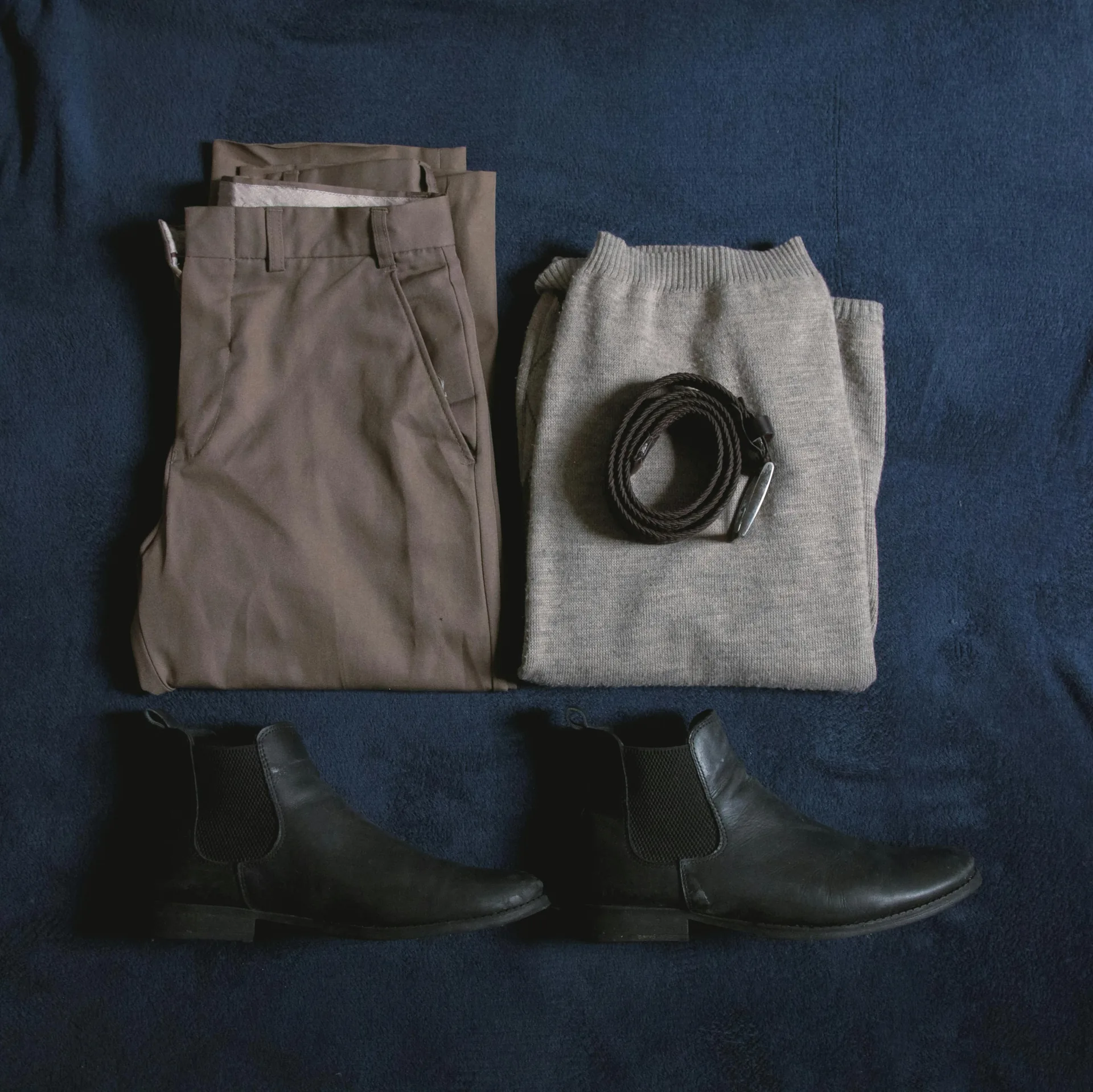
Don’t try to build a full outfit from scratch. Pick one piece you want to wear, your anchor, and build around it.
The anchor is usually:
- A top you’ve been wanting to wear
- Pants that fit the formality of your day
- A jacket or layer that handles the weather
- Shoes you want to break in
Once you have the anchor, everything else follows. Dark jeans anchor? Almost anything works on top. Bright red sweater anchor? Keep the rest neutral. Statement sneakers? Build up from there.
This “anchor piece” method is exactly how stylists work. They don’t conjure outfits from thin air, they start with one item and let the rest fall into place.
Step 3: Apply the 3-color rule

The fastest way to make any outfit look intentional: limit yourself to three colors (including neutrals). For starters, I would even recomend 2, boring, functionaly, but helps you experiment with this mindset
You don’t need to understand color theory. Three combos that always work:
- Navy pants, white tee, olive jacket. Two neutrals plus one color. Foolproof.
- Black jeans, burgundy sweater, camel coat. One neutral anchoring two related tones.
- All-black with different fabrics (cotton tee, wool coat, leather boots) - monochrome with texture variation.
If you’re ever unsure, stick with 2 neutrals + 1 color. 100% of the time, it works every single time.
This is one of the things Clottr’s outfit planner evaluates automatically. Color harmony is one of seven criteria the system uses to score outfit combinations from your wardrobe. It takes the guesswork out completely.
Step 4: Do the mirror test (10 seconds, not 10 minutes)
Put the outfit on and look in the mirror for exactly 10 seconds. Ask yourself one question: “Would I feel comfortable running into someone I know wearing this?”
If yes, you’re done. Walk out the door.
If no, identify the one piece that’s bothering you and swap it. Don’t rebuild the entire outfit. Swap one thing. The pants feel too casual? Switch to chinos. The shirt is too plain? Throw on a layer. One swap is almost always enough.
The trap most people fall into: they keep changing pieces until they’ve tried 15 combinations and hate all of them. Don’t do that.
What if I keep wearing the same outfits on repeat?
Rotation isn’t bad. Having 6-7 (heh) go-to outfits you cycle through is exactly what most well-dressed people do. The key is that those outfits are good. If your rotation is five variations of “grey hoodie and jeans”, thats just boring and it makes you feel boring.
The way I built mine: I started taking mirror photos every time I walked out the door. After two weeks I had about a dozen fits in my camera roll. I deleted the worst ones and was left with seven outfits that cover work, weekends, and going out. Now I just cycle through them without thinking about it.
A wardrobe planner can speed this up (and make it easier to see the fits). Clottr generates daily outfit suggestions from what you already own, considering weather, your schedule, and what you haven’t worn recently.
What if I don’t have enough clothes to make good outfits?
You probably have more than you think. A lot more. Most people use roughly 20% of their wardrobe 80% of the time. The issue isn’t quantity, it’s that your clothes don’t work together.
Before you buy anything new, try this:
- Pull out everything you haven’t worn in 6-12 months (ignore seasonal pieces for now)
- Try combining pieces you’ve never paired before, limiting yourself
- Look for “bridge” pieces, items that connect two different parts of your wardrobe (like a blazer that dresses up jeans OR works with dress pants)
If you really have gaps, buy strategically. A navy blazer creates 10 outfits. A graphic novelty shirt creates one. Prioritize versatile pieces that multiply your options rather than statement pieces that only work one way.
How do I dress for unpredictable weather?
Layers. That’s it. That’s the whole strategy. Really.
Three layers. Three jobs.
- Base - T-shirt or lightweight top. This controls comfort.
- Mid - Sweater, hoodie, or shirt jacket. This controls warmth and your fit inside.
- Outer - Jacket or coat. This handles weather protection.
The magic is that you can remove layers as the day warms up. A morning that starts at 15°C and ends at 20°C isn’t a wardrobe crisis if you have a zip-up you can tie around your waist.
Pro tip: invest in one good transitional jacket, something that handles 12-20°C, looks good, and works with most of your wardrobe. A chore coat, bomber, or lightweight parka. This single purchase eliminates most “what do I wear when it’s kind of cold but not really” dilemmas.
Should I follow trends or stick to classics?
Neither exclusively. Think about it as an 20/80 split.
Most of your wardrobe, the 80%, should be well-fitting basics in neutral colors. Dark jeans, clean sneakers, solid tees, a good jacket. These are the pieces you reach for when you have zero inspiration, and they never let you down.
The other 20% is where you stay current. A few items that reflect what’s happening now, maybe a color, a silhouette, or an accessory trend you actually like (not one you’re adopting because an algorithm told you to).
Going 100% trendy means your wardrobe looks dated in six months and is super annoying to keep up. Going 100% classic means it looks boring.
What about dressing for specific occasions?
Quick reference for the situations that trip people up most:
Job interview - One level more formal than the company’s daily dress code. If they wear hoodies, you wear a button-down. If they wear button-downs, you wear a blazer. Mirror, then elevate slightly.
First date - Wear something that makes you feel confident, not something you’ve never worn before. This is not the time to debut the experimental outfit. Go with what you know works, maybe the 2.0 version with a better accessory or cleaner shoes. Remember, confidence, confidence, confidence.
Wedding (no specific dress code) - Dark suit or dressy separates. When in doubt, overdress. Nobody ever regretted being the best-dressed person at a wedding (just don’t wear a white dress, please).
“Smart casual” - The most confusing dress code, and also the simplest once you crack it: chinos or dark jeans, collared shirt or nice knit, leather shoes or clean sneakers, optional blazer. Done.
What’s the fastest way to upgrade my look without buying anything?
You don’t need to spend money. You need to pay attention to three details:
Roll or cuff your sleeves, it instantly adds intention to any shirt, jacket, or sweater (and men look super sexy as quoting my girlfriend). Such a small thing, but it signals that you didn’t just throw something on.
Tuck your shirt. A full tuck or French tuck (just front only) makes a casual outfit look more put-together. Try it with a plain tee and jeans.
Can an AI actually help me decide what to wear?
Yes, but not always and be careful. The reason getting dressed is hard isn’t because you lack taste. It’s because you’re trying to juggle too many variables in your head: weather, schedule, what’s clean, what goes together, what you wore yesterday, what’s appropriate for your day. Well, juggling variations is just a math problem. And Apps (with a bit of AI) excel at math!
A wardrobe planner like Clottr handles all of those variables simultaneously. It knows your entire wardrobe, understands color harmony and style coherence, checks the weather, and generates complete outfits you can just put on and feel confident, strong, happy. Every morning. Bonus points is that Clottr doesn’t actually use any AI when generating the fits. Fits are generated using a simple ruleset following the fashion industry rules.
Is it necessary? No. You can absolutely dress well without it. But if you’re spending 15 minutes every morning staring at your closet and still walking out feeling “just okay,” this is the part of your routine worth automating.
The 60-second system, putting it all together
The whole thing, start to finish:
- Check weather + schedule + vibe (10 seconds)
- Pick one anchor piece (10 seconds)
- Build around it with the 3-color rule (20 seconds)
- Mirror test: would you feel good running into someone you respect? (10 seconds)
- If no, swap one piece. If yes, go. (10 seconds)
That’s it. No mood boards, no spreadsheets. Just a system that gets you out the door looking and feeling good.
If you want to skip steps 1-3 entirely, that’s what we’re building at Clottr, an app and browser extension that handle the decision-making so you just get dressed.
Now stop reading and go get dressed.
Want more practical style advice? Check out our no-BS guide to dressing better or learn how to stop buying clothes you never wear. And if you’re curious about the tech behind AI styling, here’s our honest comparison of virtual try-on apps in 2026.